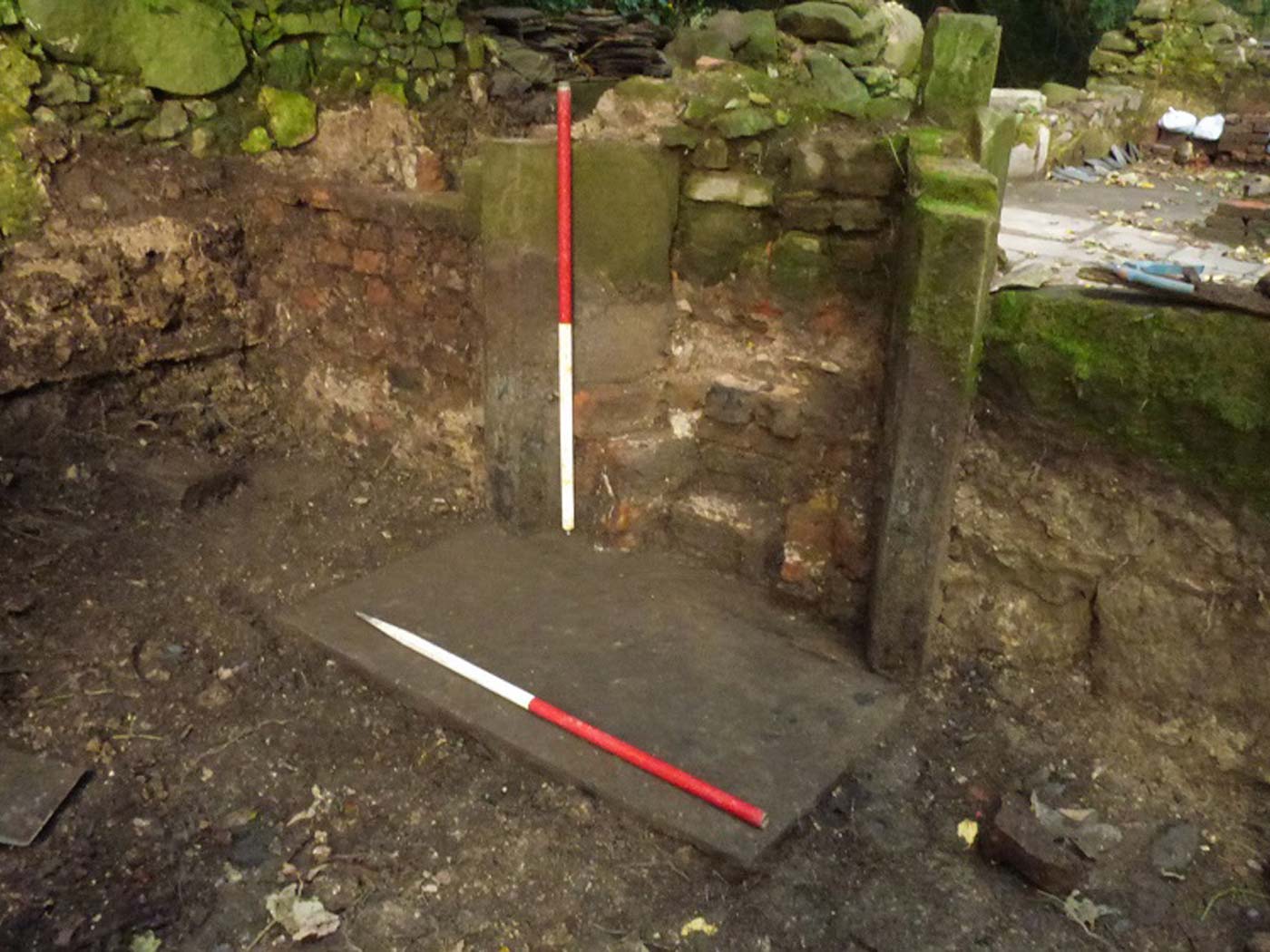
The first excavations carried out by the EAFS were at Fast Castle in Berwickshire and were restricted to Sundays, with only occasional longer periods. These first excavations continued until 1986. A full report was published in 2001, for which the Society was presented with the Pitt Rivers Award, one of the biennial British Archaeological Awards.
From 1976, the Society carried out excavations on several sites at Cramond, under the auspices of the City of Edinburgh Council. Between 1988 and 2001 members undertook an assessment of the area between Cramond Roman fort and its bathhouse where evidence was found of Mesolithic activity of 8500BC – then the earliest known settlement site in Scotland – and traces of the former village of Nether Cramond, demolished in 1826. The excavation phase completed, post-excavation work was the next step.
In 1987-88 EAFS carried out a field survey and trial excavation at Arniston Estate, near Gorebridge, by kind permission of the owner.
The Society completed three seasons of ground resistance survey and excavation at Castlehill, Penicuik, on the estate of Sir Robert Clerk, from 2003 to 2005. The site is recorded in the Old Statistical Account and was suggested to be an Iron Age fort. Paved areas were uncovered in their 2004 excavations, but it was not until 2005 that stone tools were found, confirming the Iron Age dating of the site.

As the reputation and skills of Society members have broadened, invitations to participate in several professional excavations have been received, together with requests to perform geophysical surveys. The Society has provided volunteers on such sites as the Roman bath-house at Cramond; High Street, Edinburgh; Throsk (pottery and possible kiln site); Elginhaugh Roman fort; the French fort at Eyemouth; High Street, Linlithgow; Inveresk, various sites around Traprain Law; an early Christian and medieval cemetery at Auldhame near North Berwick and Castlehill, Penicuik. An annual invitation to take part in the excavation of Roman sites connected with the Antonine Wall in the Falkirk District has extended the expertise of members. The Society has also recently organised excavations on Corstorphine Hill and worked at Saline in Fife where they were searching for the site of the old church within the graveyard.
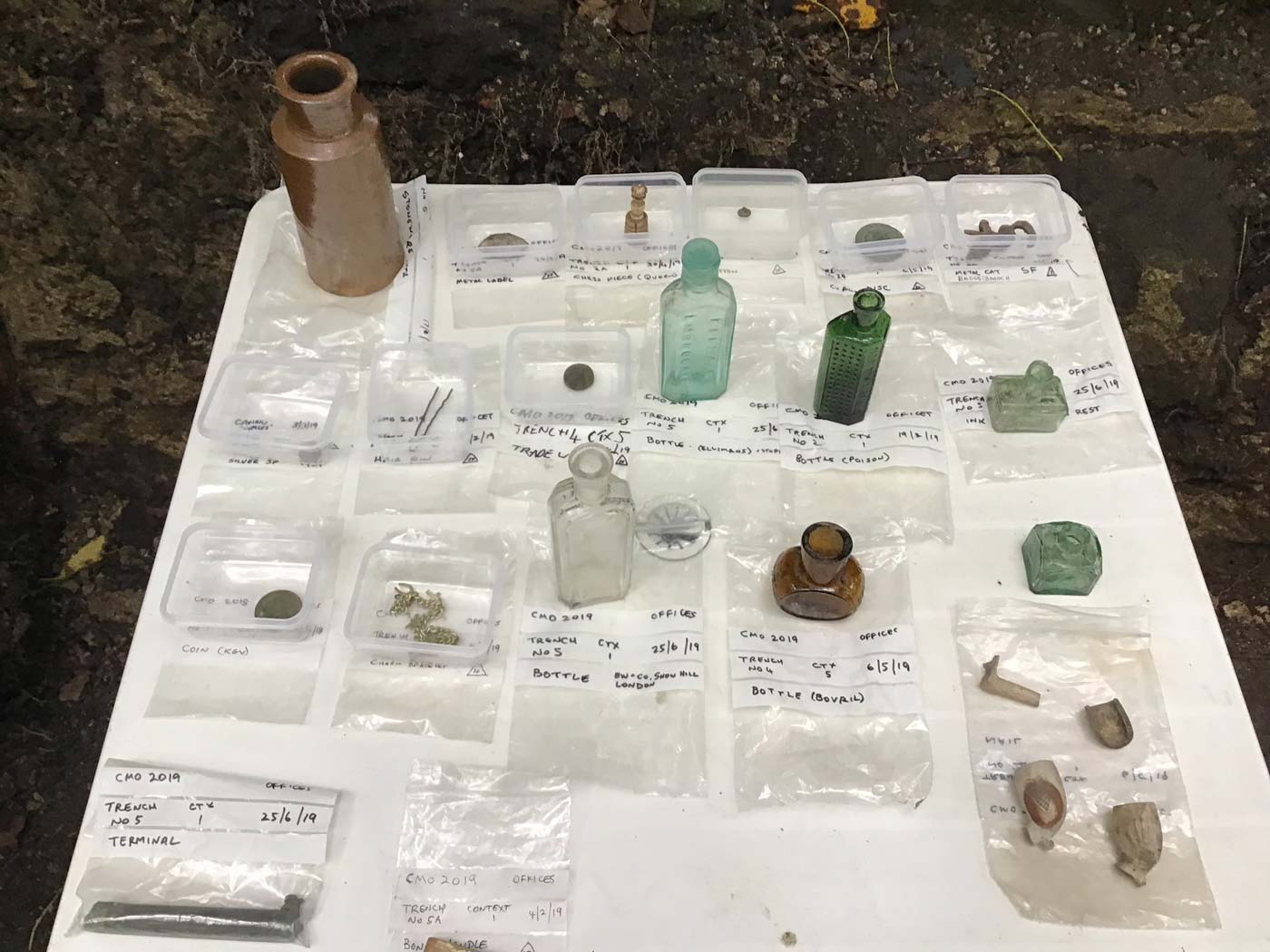
Currently the Society is conducting regular excavations every Monday as part of the Society’s main project at Cammo which is in it’s fifth year. Ongoing work at Threipmuir and occasional small excavations around the Central belt of Scotland in conjunction with similar Societies mean there is always something to get involved with. Members also take part in regular excavation work through the National Trust for Scotland.
This range of Field work is a major part of our work and we pride ourselves on giving a wide range of people experience of supervised excavation which can be difficult to access.